
At Dr. Biçer’s clinic, all hair restoration techniques are personally performed by Dr. Biçer. This allows her to objectively evaluate each patient and select the most appropriate technique based solely on medical needs, hair characteristics, and long-term expectations.
It is also important to understand that hair transplantation is not a cure for hair loss. It is a highly effective camouflage technique for patients suffering from alopecia, designed to restore a natural appearance and improve self-confidence.
Hair replacement surgery can change your appearance dramatically and boost your self-confidence. Among available methods, FUE (Follicular Unit Extraction) is considered the least invasive technique and offers the shortest recovery time.
Most people can undergo surgery with little or no complications. However, not everyone is a suitable candidate for hair replacement surgery. Before undergoing any procedure, it is essential to discuss your expectations and undergo a thorough medical evaluation by your surgeon. To determine whether you are a good candidate, the following factors are carefully considered:
Are you generally in good health with no contraindications to treatment? Patients with cardiac conditions, congenital bleeding or clotting disorders, or certain skin diseases such as psoriasis are usually advised against surgery.
Hair transplantation can provide dramatic yet natural results in cases of significant thinning or balding, provided that healthy donor hair is present at the back and sides of the scalp. Patients with male pattern baldness (androgenetic alopecia) are often ideal candidates. For women, however, if hair loss presents as diffuse overall thinning, hair transplantation may not be the most suitable option.
Hair loss should be relatively stabilized before surgery. Very young patients (early 20s) are often advised to wait and consider medical treatments before undergoing a hair transplant.
If avoiding linear scarring is important to you, FUE may be the preferred technique. FUE can also be used to camouflage existing scars from previous surgeries or injuries by transplanting new follicles into those areas.





Trusted by Leading Associations Worldwide



























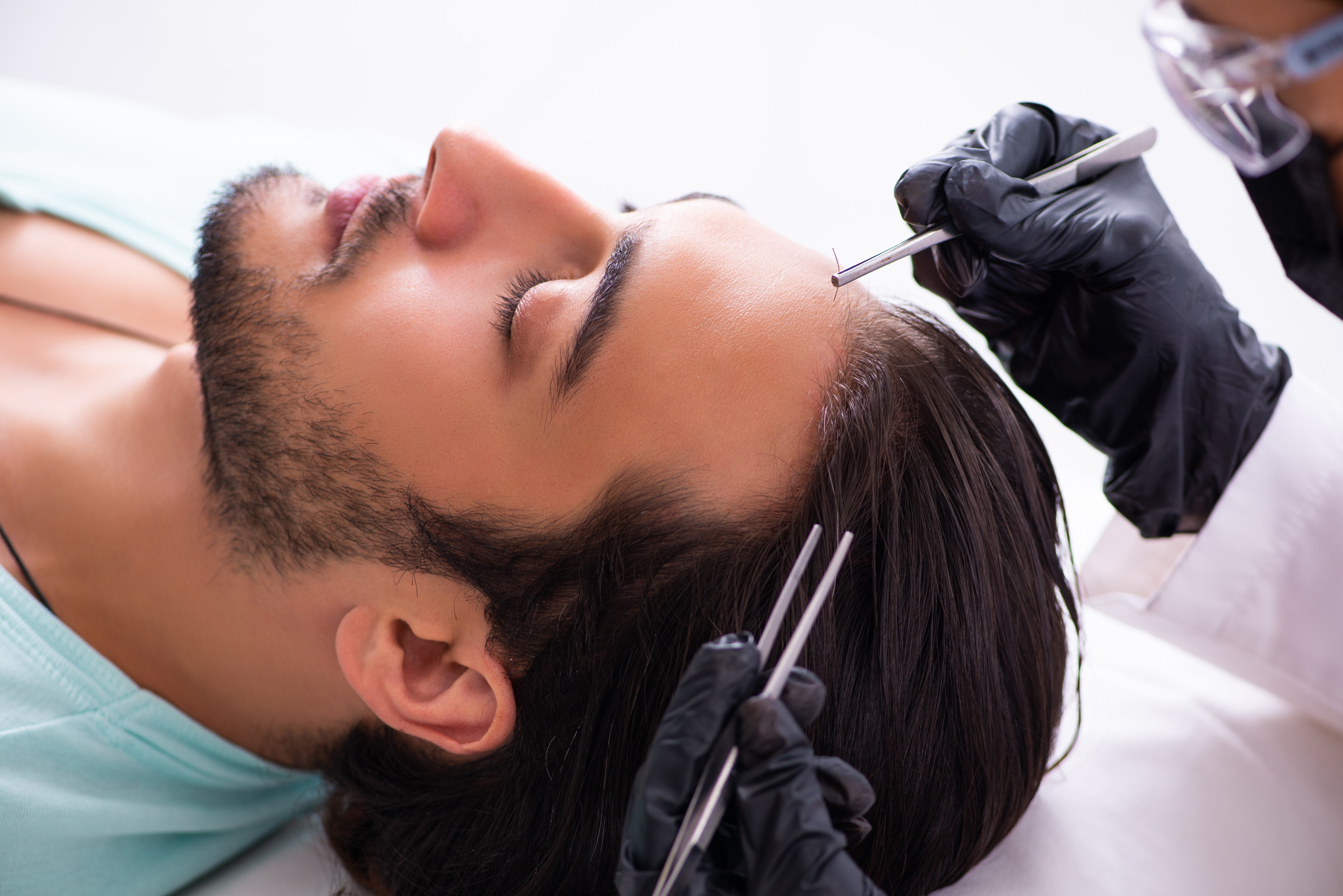
FUE hair transplant (Follicular Unit Extraction) is a modern and minimally invasive hair restoration technique used to treat hair loss in both men and women. In this method, individual hair follicles—called follicular units—are extracted one by one from the donor area, usually the back and sides of the scalp, and transplanted into areas affected by hair loss.
Each follicular unit naturally contains 1 to 4 hairs, allowing the surgeon to achieve a natural hair density and appearance.
You first contact the clinic, and one of our consultants and interpreters will guide you through the entire process in your native language.
You will complete a consultation form and send your photographs and videos to Dr. Biçer. After evaluating your case and estimating the required graft number, Dr. Biçer will provide general information. If she needs further details, she may request an online consultation.
Following this evaluation, a personalized treatment offer will be sent to you. If you decide to proceed with surgery, your consultant will provide suitable dates. Once the advance payment is received, your surgery will be scheduled.
We strongly recommend arriving at the clinic one day before surgery. During this visit:
You will also complete the necessary medical forms and have a face-to-face consultation with Dr. Biçer. This step is extremely important, as your expectations, donor capacity, and final graft number are clarified, and the surgical plan is finalized.
On the day of surgery, you should arrive at the clinic at 08:00 a.m.
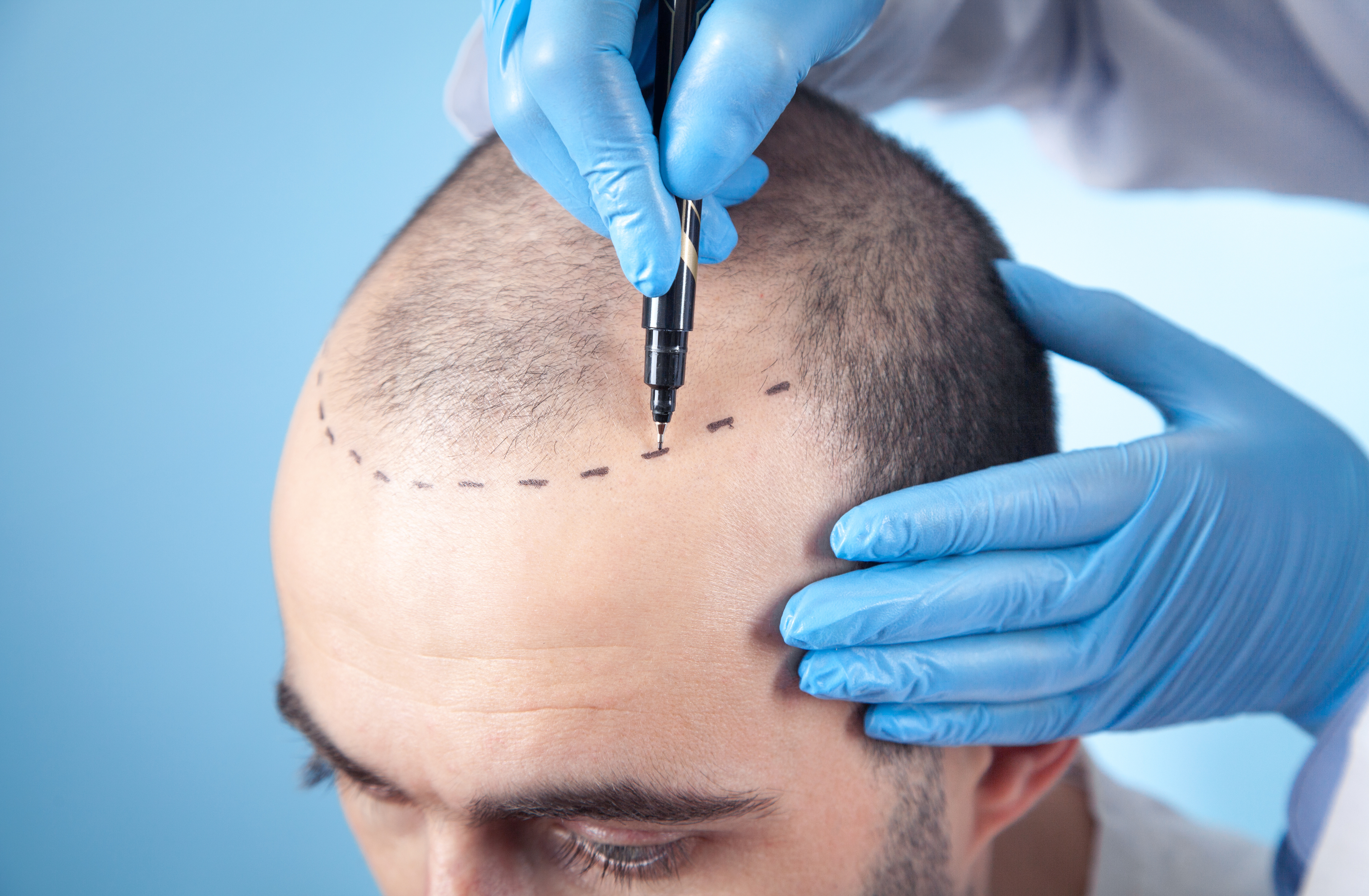
Dr. Biçer reviews all details again and designs your hairline together with you. Hairline design is a critical step for achieving natural-looking results and ensuring long-term planning.
Depending on the chosen technique, your hair will be shaved if required, and your scalp will be washed with a disinfectant shampoo. The hairline is then cleaned again.
Dr. Biçer explains each step of the procedure in detail before surgery begins.
Needle-free local anesthesia is administered. During this phase, you remain awake and are continuously monitored to ensure your comfort and safety.
In the second stage of surgery, Dr. Biçer performs the graft harvesting, while trained nurses collect, count, and examine the grafts under the microscope.
Punch sizes of 0.7–0.9 mm are used:
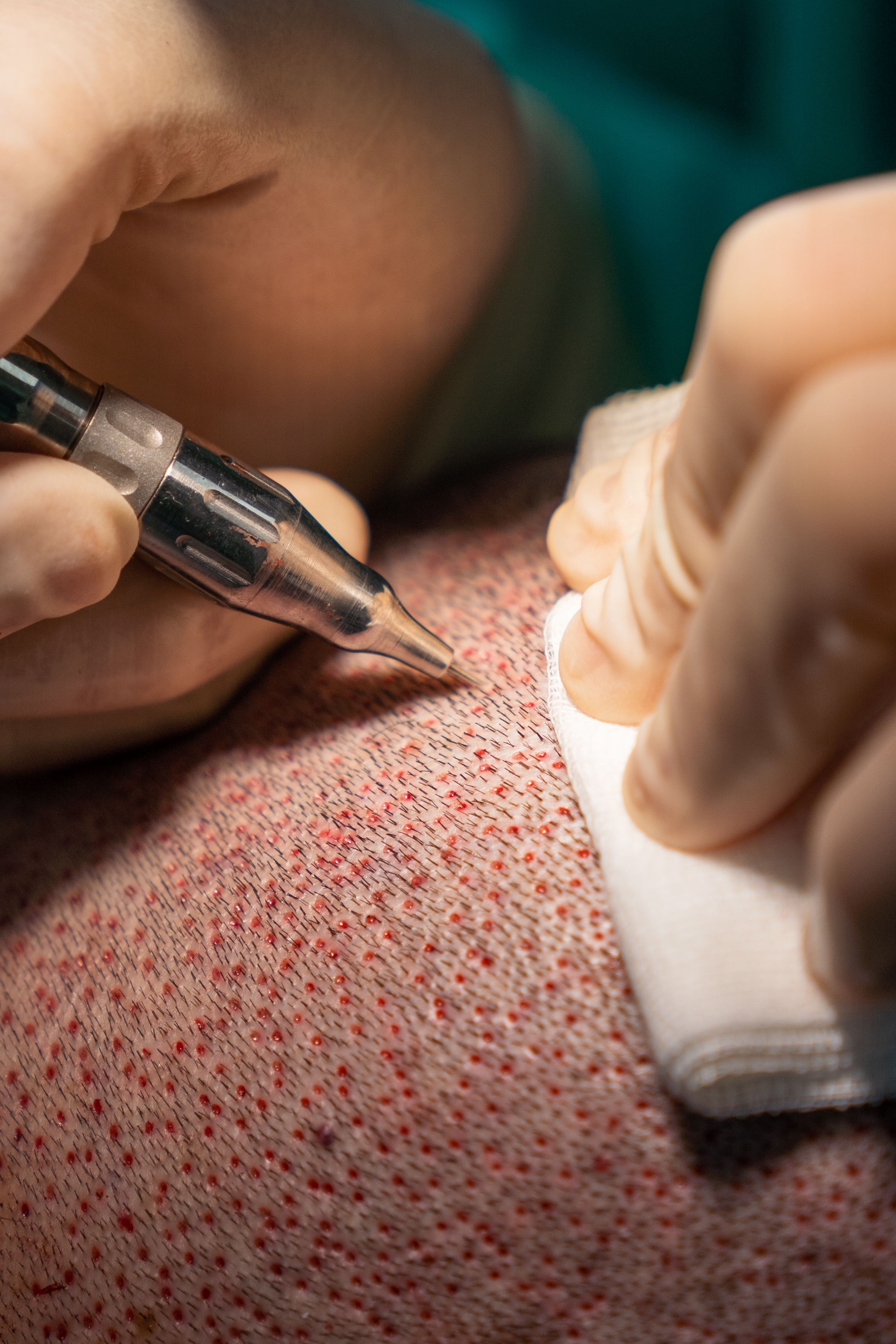
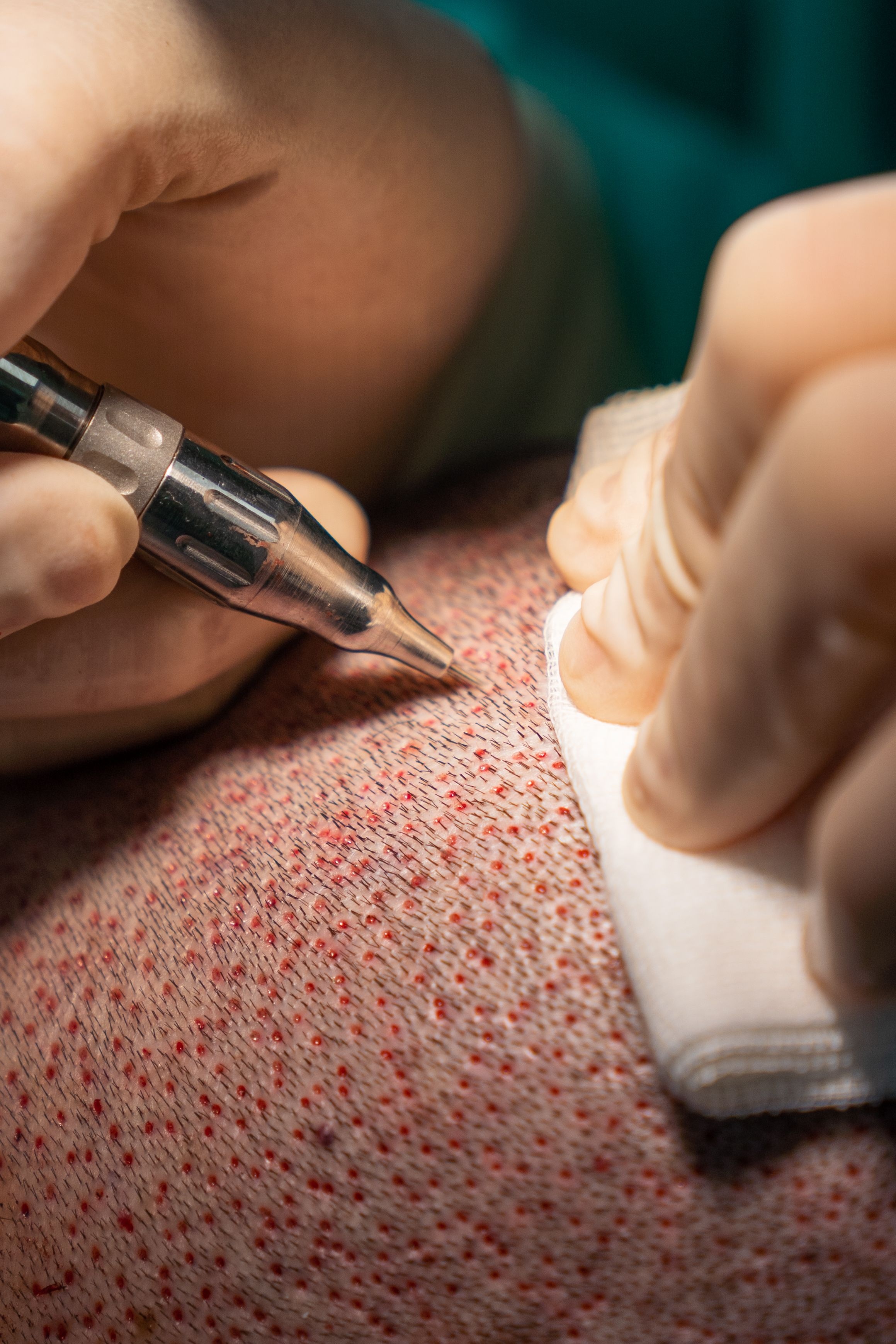
In the third stage, Dr. Biçer creates the recipient incisions, determining the direction, angle, and density of the transplanted hair.
Titanium or sapphire blades are used for this step. Technically, there is no difference in results between these two blade types when properly applied.
In the final stage, three nurses carefully place the grafts into the recipient area. Dr. Biçer remains at the clinic throughout this process.
The day after surgery, you return to the clinic for:
Once everything is confirmed to be progressing well, you are free to return to your country.
However, the process does not end there. Dr. Biçer and her interpreters continue to follow your progress for at least one year after the surgery.
Androgenetic alopecia is a permanent and progressive condition, meaning that hair loss continues over time. Although the safe donor area is generally resistant to androgenetic alopecia, this resistance cannot be guaranteed for every patient for a lifetime.
Ultimately, transplanted hair follicles also cannot be guaranteed to remain in the recipient area for the patient’s entire life.
FUE involves creating tiny incisions in both the donor and recipient areas.
An FUE hair transplant procedure typically lasts between 4 and 12 hours, depending on:
Hair Growth Timeline After FUE
Not all transplanted follicles grow at the same time, as some remain temporarily in the resting (telogen) phase. Overall graft survival rates of up to 90–95% are commonly reported under optimal conditions.
After extraction, the hair follicles are carefully stored in sterile containers. In some cases, grafts may be preserved in a solution enriched with the patient’s own Platelet-Rich Plasma (PRP), which may help support graft survival.
Once the extraction phase is completed, microscopic channels are created in the recipient area. Each follicular unit is then implanted individually.
The angle, direction, and depth of each graft are carefully planned to match natural hair growth, especially in the hairline area, to achieve a natural and aesthetically pleasing result.
We use a needle-free anesthesia machine. During the first two to three minutes of local anesthesia, you may feel mild and tolerable discomfort. Once the anesthesia takes effect, the procedure continues under local anesthesia with patient comfort monitored throughout.
Each patient’s comfort and response to anesthesia are assessed individually throughout FUE hair transplantation.
During the procedure, patients can usually:
After the operation, temporary tightness or sensitivity may occur. The care team provides individualized aftercare instructions and may recommend appropriate medication when needed.
Minimally invasive technique
No linear scar
Natural-looking results
Short recovery time
Suitable for men and women

FUE hair transplant (Follicular Unit Extraction) is a modern and minimally invasive hair restoration technique used to treat hair loss in both men and women. In this method, individual hair follicles—called follicular units—are extracted one by one from the donor area, usually the back and sides of the scalp, and transplanted into areas affected by hair loss.
Each follicular unit naturally contains 1 to 4 hairs, allowing the surgeon to achieve a natural hair density and appearance.
You first contact the clinic, and one of our consultants and interpreters will guide you through the entire process in your native language.
You will complete a consultation form and send your photographs and videos to Dr. Biçer. After evaluating your case and estimating the required graft number, Dr. Biçer will provide general information. If she needs further details, she may request an online consultation.
Following this evaluation, a personalized treatment offer will be sent to you. If you decide to proceed with surgery, your consultant will provide suitable dates. Once the advance payment is received, your surgery will be scheduled.
We strongly recommend arriving at the clinic one day before surgery. During this visit:
You will also complete the necessary medical forms and have a face-to-face consultation with Dr. Biçer. This step is extremely important, as your expectations, donor capacity, and final graft number are clarified, and the surgical plan is finalized.
On the day of surgery, you should arrive at the clinic at 08:00 a.m.
Dr. Biçer reviews all details again and designs your hairline together with you. Hairline design is a critical step for achieving natural-looking results and ensuring long-term planning.
Depending on the chosen technique, your hair will be shaved if required, and your scalp will be washed with a disinfectant shampoo. The hairline is then cleaned again.
Dr. Biçer explains each step of the procedure in detail before surgery begins.
Needle-free local anesthesia is administered. During this phase, you remain awake and are continuously monitored to ensure your comfort and safety.
In the second stage of surgery, Dr. Biçer performs the graft harvesting, while trained nurses collect, count, and examine the grafts under the microscope.
Punch sizes of 0.7–0.9 mm are used:
In the third stage, Dr. Biçer creates the recipient incisions, determining the direction, angle, and density of the transplanted hair.
Titanium or sapphire blades are used for this step. Technically, there is no difference in results between these two blade types when properly applied.
In the final stage, three nurses carefully place the grafts into the recipient area. Dr. Biçer remains at the clinic throughout this process.
The day after surgery, you return to the clinic for:
Once everything is confirmed to be progressing well, you are free to return to your country.
However, the process does not end there. Dr. Biçer and her interpreters continue to follow your progress for at least one year after the surgery.
Androgenetic alopecia is a permanent and progressive condition, meaning that hair loss continues over time. Although the safe donor area is generally resistant to androgenetic alopecia, this resistance cannot be guaranteed for every patient for a lifetime.
Ultimately, transplanted hair follicles also cannot be guaranteed to remain in the recipient area for the patient’s entire life.
FUE involves creating tiny incisions in both the donor and recipient areas.
An FUE hair transplant procedure typically lasts between 4 and 12 hours, depending on:
Hair Growth Timeline After FUE
Not all transplanted follicles grow at the same time, as some remain temporarily in the resting (telogen) phase. Overall graft survival rates of up to 90–95% are commonly reported under optimal conditions.
After extraction, the hair follicles are carefully stored in sterile containers. In some cases, grafts may be preserved in a solution enriched with the patient’s own Platelet-Rich Plasma (PRP), which may help support graft survival.
Once the extraction phase is completed, microscopic channels are created in the recipient area. Each follicular unit is then implanted individually.
The angle, direction, and depth of each graft are carefully planned to match natural hair growth, especially in the hairline area, to achieve a natural and aesthetically pleasing result.
We use a needle-free anesthesia machine. During the first two to three minutes of local anesthesia, you may feel mild and tolerable discomfort. Once the anesthesia takes effect, the procedure continues under local anesthesia with patient comfort monitored throughout.
Each patient’s comfort and response to anesthesia are assessed individually throughout FUE hair transplantation.
During the procedure, patients can usually:
After the operation, temporary tightness or sensitivity may occur. The care team provides individualized aftercare instructions and may recommend appropriate medication when needed.
Minimally invasive technique
No linear scar
Natural-looking results
Short recovery time
Suitable for men and women

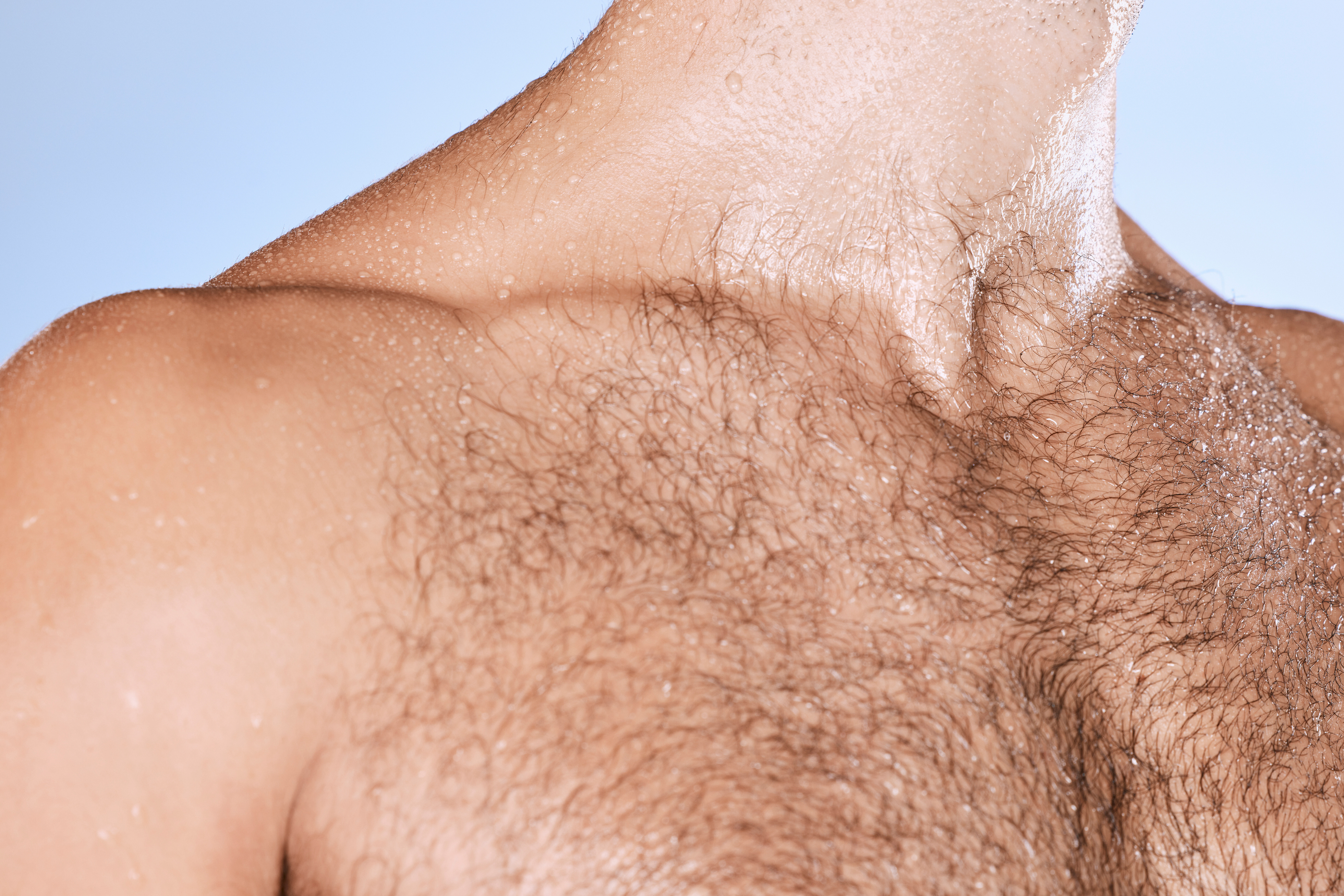
Body Hair Transplantation (BHT) is an advanced hair restoration technique used when the scalp does not provide enough suitable donor hair for a standard hair transplant. In a conventional hair transplant, hair follicles are typically harvested from the back and sides of the scalp. However, some patients have a limited or depleted scalp donor area, making additional donor sources necessary.
In such cases, hair follicles can be harvested from other parts of the body—most commonly the beard and, in selected cases, the chest—and transplanted to the scalp.
BHT may be considered in the following situations:
Beard hair is generally preferred over chest hair due to its stronger structure and more consistent growth characteristics.
Body Hair Transplantation is usually considered for patients who:
However, it is important to understand that if both scalp and body donor hair quality is weak, the final outcome may be limited.Patients with insufficient donor hair overall may not be suitable candidates for any form of hair transplantation.
Both conventional FUE and BHT use the Follicular Unit Extraction (FUE) technique, meaning hair follicles are harvested one by one, without removing a strip of skin.
Key differences include:
BHT grafts may grow at different rates and may not achieve the same length as scalp hair, which is why they are often used strategically—for example, to increase density rather than create the hairline.
Body hair transplantation is usually performed using the FUE technique, which avoids linear scarring.
The process includes:
If all physiological and medical requirements are met, body hair follicles can be successfully transferred to the scalp.
Body Hair Transplantation requires high surgical expertise due to the unique characteristics of body hair.
Key factors for success include:
Because body hair behaves differently from scalp hair, BHT should always be performed conservatively and selectively.
Body hair follicles retain many of their original growth characteristics after transplantation.
This means:
For this reason, BHT is most effective when used as a complementary technique rather than a standalone solution


Reconstructive hair transplantation is a specialized field of hair restoration focused on correcting hair loss or aesthetic problems caused by previous hair transplant procedures, trauma, burns, scars, medical conditions, or congenital factors.
Unlike standard cosmetic hair transplantation, reconstructive procedures require advanced planning, surgical precision, and artistic judgment to restore a natural appearance while respecting facial proportions and existing hair characteristics.

Reconstructive hair transplantation may be recommended for patients who experience:
Each reconstructive case is unique and requires an individualized treatment plan.
Hairline reconstruction focuses on correcting:
Natural hairlines require irregularity, proper angulation, and the exclusive use of single-hair grafts in the frontal zone.
Corrective hair transplantation may include:
In some cases, previously transplanted grafts can be safely removed and reused.
Hair transplantation can be performed into:
Hair growth in scar tissue may be less predictable due to reduced blood supply, and careful evaluation is essential before treatment.
In patients with limited scalp donor hair, Body Hair Transplantation (BHT) may be used as a supportive technique.
Reconstructive hair transplantation is usually performed using advanced FUE techniques.
Key steps include:
Multiple sessions may be required, depending on the complexity of the case.
Reconstructive hair transplant results can be long-lasting and permanent when:
However, expectations must be realistic, especially in cases involving scarring or multiple previous surgeries.
Healing time may vary depending on scar tissue and previous procedures.
Reconstructive hair transplantation requires significantly more expertise than standard hair transplantation.
Not every case can be fully corrected, especially when donor hair is limited or scar tissue is extensive. A detailed consultation is essential to determine realistic outcomes and the best treatment approach.


Long hair transplantation is an advanced hair transplant technique in which hair follicles are extracted and implanted without shaving the donor or recipient areas. Although the procedure is technically the same as the classic micromotor FUE technique, special punches are used to avoid cutting the hair shaft, allowing the hair to remain long during extraction and implantation.
This method enables patients to see immediate cosmetic results after the procedure. The transplanted long hairs shed temporarily, but the follicles remain permanent and regrow naturally over time.
Long hair transplantation may be recommended for individuals who:
Each long hair transplantation case is unique and requires a fully individualized treatment plan based on the patient’s hair characteristics, expectations, and medical background.
This technique offers significant benefits for patients who do not want their hair to be shaved, particularly those with an active social or professional life. Long hair transplantation allows patients to undergo the procedure without obvious visual signs of surgery, making it ideal for individuals who prefer to keep their treatment private during the healing period.
It is also an excellent option for female patients who wish to preserve their long hair and avoid shaving, while still benefiting from a highly precise and natural-looking hair restoration procedure.
Long hair transplantation is a technically demanding and relatively new technique, and its success is closely related to the experience and learning curve of each clinic and surgical team. Because the procedure is more complex, the number of grafts that can be extracted in a single session is usually lower compared to shaved FUE. For patients who require 3,000 grafts or more, the surgery may need to be divided into multiple sessions or days.
In addition, long hair transplantation is more time-consuming and requires specialized instruments and expertise, which makes the cost higher than conventional shaved techniques. Postoperative care can also be more challenging for the patient, as managing and cleaning long hair during the healing phase requires extra attention.
It is important for patients to understand that although long hairs are transplanted, these hairs will shed within the first month, similar to standard hair transplantation. New, permanent hair growth typically begins around three months after the procedure, following the natural hair growth cycle.
Healing time may vary depending on scar tissue and previous procedures.
Reconstructive hair transplantation requires significantly more expertise than standard hair transplantation.

FUT (Follicular Unit Transplantation)—also known as strip hair transplantation—is one of the most established hair transplant techniques.
In the FUT method, a thin strip of hair-bearing scalp is surgically removed from the back of the head (donor area). The incision is then closed with sutures. The harvested strip is carefully divided into individual follicular units, each containing 1 to 4 hairs, and transplanted into areas affected by hair loss using a technique similar to FUE.
The process begins by contacting the clinic. One of our experienced consultants and interpreters will guide you through every step in your native language. You will be asked to complete a consultation form and submit photographs and videos, which are reviewed by Dr. Biçer. Based on this evaluation, you will receive preliminary information, including an estimated graft number. If necessary, Dr. Biçer may request an online consultation for further assessment. Following this, a personalized treatment plan and offer will be prepared and sent to you.
Once you decide to proceed with surgery, your consultant will help you select suitable dates. After the advance payment is completed, your surgery will be officially scheduled.
We strongly recommend arriving at the clinic one day before the surgery. On this day, professional photographs are taken and medical evaluations are performed, including blood tests, electrocardiography (ECG), and trichoscopic examination. You will then have a face-to-face consultation with Dr. Biçer.
This step is extremely important, as your expectations, donor capacity, scalp laxity, and final graft number are clearly determined, and the surgical plan is finalized.
On the day of surgery, you should arrive at the clinic at 08:00 AM. Dr. Biçer will once again review all details with you and carefully design and draw your hairline. Hairline design is a critical step for achieving a natural appearance and long-term aesthetic success.
According to the FUT technique, the hair is not shaved. Your hair will be washed with a disinfectant shampoo, and the hairline area will be prepared once more. You will be fully informed about each stage of the procedure.
Dr. Biçer measures donor area elasticity and scalp laxity, then marks the strip excision line. Needle-free local anesthesia is administered, and you remain awake and continuously monitored for safety.
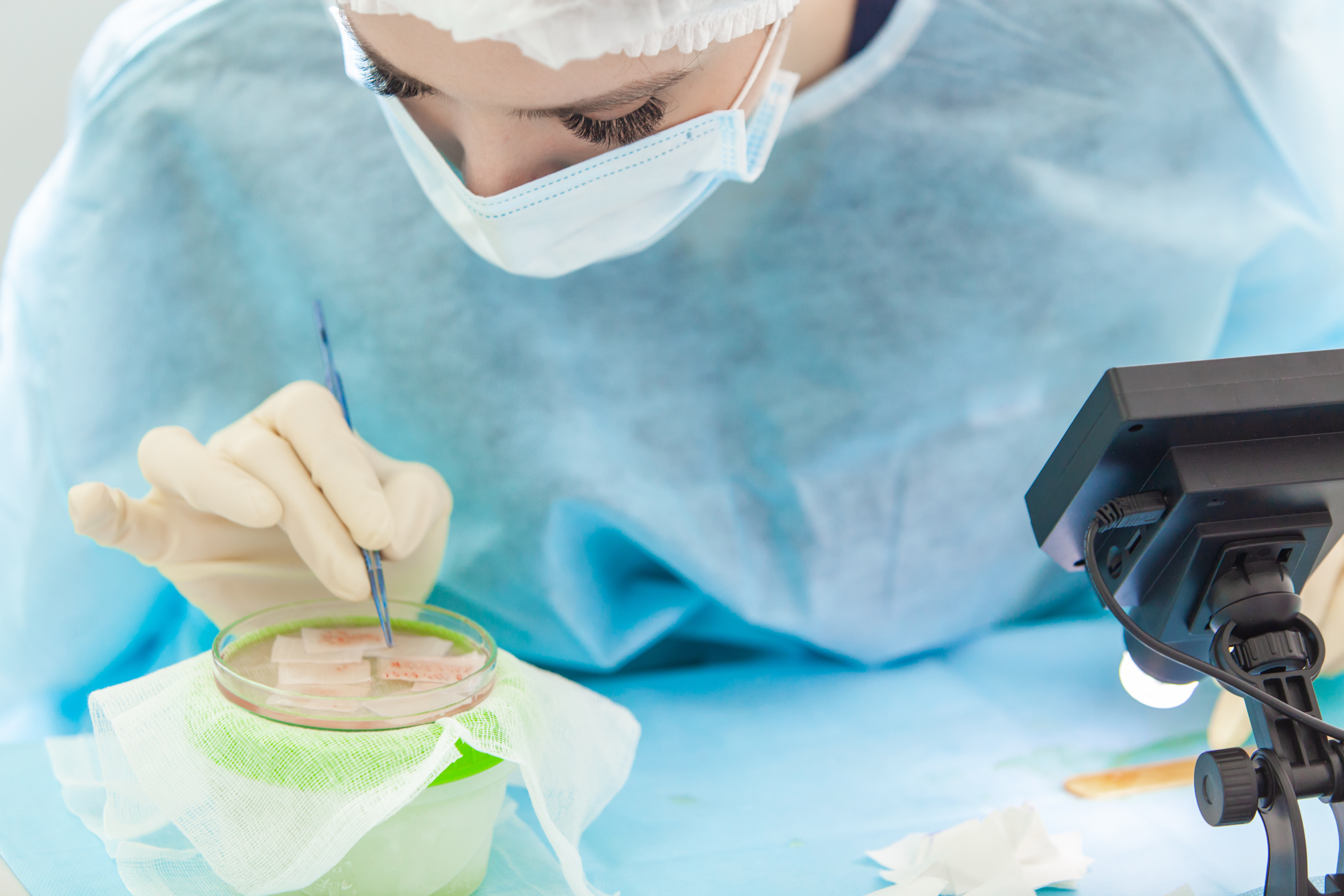
After anesthesia, Dr. Biçer performs the strip (flap) excision. Typically, 1,500–2,500 grafts are obtained from a single strip. The donor area is then closed using an aesthetic trichophytic suture. Meanwhile, the medical team carefully dissects the grafts into single, double, or multiple follicular units under a microscope.
In the third stage, Dr. Biçer creates the recipient incisions, determining the correct angle, direction, and density of the transplanted hair to ensure a natural result.
In the final stage, a specialized nursing team places the grafts into the recipient area. During this phase, Dr. Biçer remains present in the clinic, supervising the procedure.
The day after surgery, you will return to the clinic for bandage removal and postoperative evaluation. New photographs are taken after Dr. Biçer confirms that healing is progressing normally.
The aesthetic sutures placed in the donor area should be removed 15 days after surgery by a physician. If you are still in the country, this can be done at our clinic; otherwise, it can safely be removed in your home country.
Our care does not end after the procedure. Dr. Biçer and her medical team continue to follow your progress for at least one year, providing ongoing support and guidance throughout your recovery and hair growth journey.
Although there is extensive information available online about FUT and FUE techniques, many patients are not fully aware of how these procedures are actually performed.
In FUT, once the donor strip is removed, it is dissected under a microscope into very fine follicular units. The donor area is then carefully sutured, which results in a linear scar.
Dr. Özlem Biçer uses meticulous suturing techniques to ensure that the scar remains as thin and discreet as possible.
The primary goal of FUT is to transfer hair from the most stable donor zone to areas where hair loss is most pronounced.
For patient comfort, local anesthesia is administered to the donor and recipient areas.
The surgeon performs a precise horizontal incision to remove a strip of scalp containing healthy hair follicles from the donor area.
Correct donor area selection is essential, as long-term hair growth depends on harvesting follicles from the genetically stable zone.
To achieve a finer scar, Dr. Özlem Biçer uses the trichophytic closure technique, which allows hair to grow through the scar and helps make it less visible.
The recipient area is one of the most critical stages, as it determines the final aesthetic outcome.
To achieve a natural appearance, the surgeon ensures that transplanted hair follows the patient’s natural growth pattern.
The harvested strip is first divided into thin sections called “slivers.” Excess tissue is removed from these slivers, and individual follicular units are carefully separated.
Each graft is prepared individually to ensure minimal trauma and optimal survival.
Once the strip is removed, it is placed in the patient’s own Platelet-Rich Plasma (PRP).
PRP may help maintain graft hydration and viability during preparation, while also allowing time for careful closure of the donor wound.
Once the recipient sites are prepared, the follicular units are implanted into the incisions.
At the end of the procedure:
A headband or medical cap may be used to protect the treated area.
FUT Scarn
After FUT, a linear scar will remain in the donor area.
The visibility of the scar largely depends on surgical technique, scalp characteristics, and healing response.


Contact From
WhatsApp
Contact From
WhatsApp
Fill Application
Form
Reach out to us on WhatsApp and get connected with a dedicated patient consultant who speaks your language. Fill out the form provided by your consultant and schedule your online consultation with Dr. Biçer.
Get Online
Consultation

Get Online
Consultation
Fill Application
Form
Have a one-on-one online consultation with Dr. Biçer to receive a personalized assessment and detailed information about your treatment and process. Together with your consultant, proceed with planning the next steps.
Complete Your
Appointment

Complete Your
Appointment
Fill Application
Form
Finalize your treatment plan and confirm your appointment with the guidance of your consultant. After your procedure, your patient consultant will stay in continuous contact with you for one year, closely monitoring your progress, providing updates, and supporting you throughout your entire recovery journey.
Dr. Özlem Bicer brings over 25 years of experience and is an esteemed member of the International Society of Hair Restoration Surgery (ISHRS). She is supported by a dedicated team of highly trained nurses, making us one of the most reputable and experienced hair transplant teams worldwide.