
About a third of women will experience hair loss (alopecia) at some point in their life; After menopause, two thirds of women experience hair thinning or bald spots on their heads. In contrast to men, hair loss is very effective in women because it is less socially acceptable for women. Alopecia can seriously affect a woman’s emotional health and quality of life.
At Doctor Özlem Biçer’s clinic, we understand how much a woman’s self-confidence is caused by hair loss. But before starting the journey of regaining self-confidence, it is important to determine what type of hair loss you are facing. After determining the nature of your exposure, your doctor will begin considering treatment and, in some cases, considering having a hair transplant. In order to protect the emotional health of the patient, the hair transplant performed by Doctor Özlem Biçer is performed without a full head shave. It is therefore incomprehensible that you have had a hair transplant.
There are generally three types of hair loss in women. These are grouped into the following three categories – androgenetic alopecia, telogen effluvium, and abnormal hair loss. Androgenetic alopecia is the leading cause of hair loss in women and in this case, hair loss in women is less predictable than it is in men. Telogen effluvium can be triggered by drug consumption, diet, and stress. Then there are the other rare types of hair loss that fall into the non-normal hair loss category.
The causes of hair loss in women






Trusted by Leading Associations Worldwide


























Pregnancy is one of the greatest stressful situations a woman can inflict on your body. During this time, hormone levels are completely different from normal times and cause many changes in the body – and your hair does not gain immunity from this effect.
During pregnancy, there is an increased level of the hormone estrogen. Estrogen causes your hair to remain in the growing stage of the hair growth cycle, as well as stimulating hair to grow if it’s not already. While you are pregnant, you should expect to have a full, luscious head of hair.
During pregnancy, the level of estrogen hormones is increased. When you are pregnant, estrogen works by keeping your hair in the extension phase of the hair growth cycle and promoting hair growth when it is not already at that level. You expect your hair to look voluminous and attractive even during your pregnancy.
But things change after birth. When your hormones return to normal, your body will be in shock and you will experience severe hair loss.
This then means that all the estrogen that prevented hair loss disappears and in that case the hair loss begins. This can be unfortunate because 60% of the hair can go into dormancy at the same time and too much hair can suddenly fall off, but the hair will grow back again. Hair loss caused by pregnancy is a special form of telogen effluvium.
Polycystic Ovary Syndrome – or PKOS – especially effective on your hormonal balance – causes hormonal imbalances as it is a hormonal disorder. Women with PKOS have high levels of androgen, testosterone, and dihydrotestosterone (DHT). Hair loss caused by DHT is common in women with PKOS.
When high levels of androgens – specifically DHT – are on the hair follicles, they begin to affect the hair, causing hair loss. DHT can clog the hair follicle and prevent new hair from forming. This is essentially another form of androgenetic alopecia.
Menopause has a myriad of effects on your body and hair, resulting in a decrease in estrogen levels. In addition to hot flashes, expect mood swings and sudden increases in facial hair – hairline retraction and increase in hair loss. This is due to decreased levels of estrogen. Since estrogen keeps your hair in its growth phase, low levels cause the hair to shorten its growth cycle and clumps of hair to fall off before they reach the attainable length.
Anemia is a blood disorder caused by iron deficiency. Iron is an incredibly important nutrient for your hair. Anemia is typically caused by a lack of iron-rich food in your diet or when your cells do not absorb iron properly. If you’ve noticed that you have thinning hair, it may be worth speaking to your doctor first to see if you are anemic to any degree. Iron levels can be corrected through some form of iron supplement and dietary change.
Iron is important for hair because it contains ferritin, a stored iron that helps produce hair cell proteins. The right ferritin levels will also maximize the analgenic (growth) phase of your hair and encourage hair growth to the correct length.
To learn more about the type of hair loss you may experience and the solutions available to you, book a consultation for a detailed assessment.
Pattern of female pattern baldness
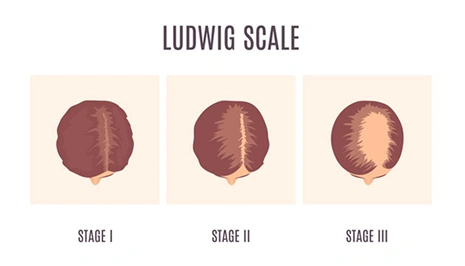
Clinicians use the Ludwig classification to describe hair loss in women. Type I is a minimal dilution that can be camouflaged using hair styling techniques. Type II is characterized by a smaller volume and a significant spread of the midline part. Type III describes diffuse thinning with a see-through appearance on the top of the scalp.

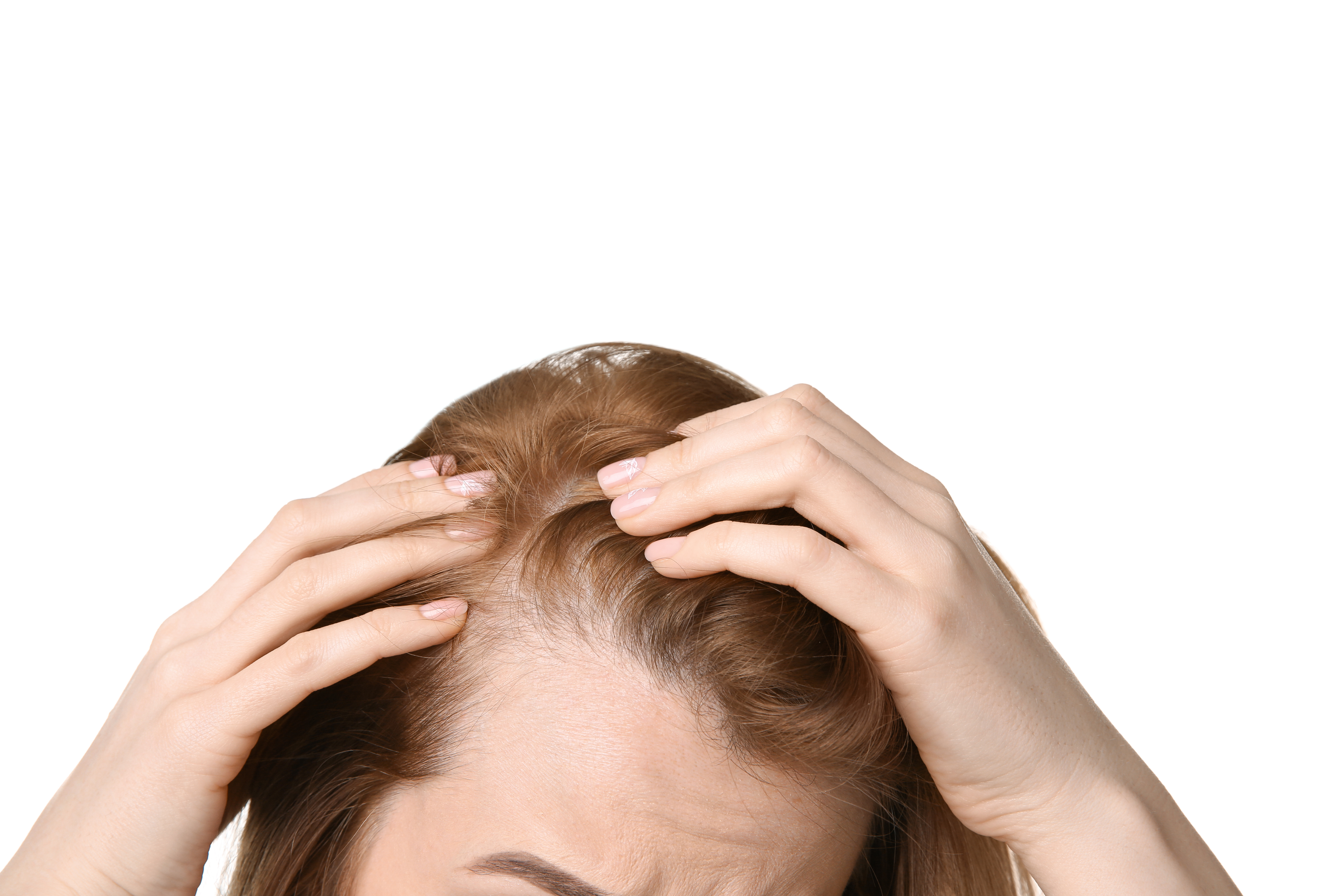
Hair falls more than usual for more than two months – maybe when washing, brushing, or on pillows and clothes. It’s normal to lose up to 100 hairs a day, so if you leave more days between hair washes than you normally do, the amount of hair loss you see will be more noticeable.
Thin ponytail.
The scalp becomes more visible or the hair has less volume than before.
The hair doesn’t grow as long as it used to.
The ends are finer than usual, but it doesn’t break. Many new hairs can also grow out of the scalp in varying lengths.
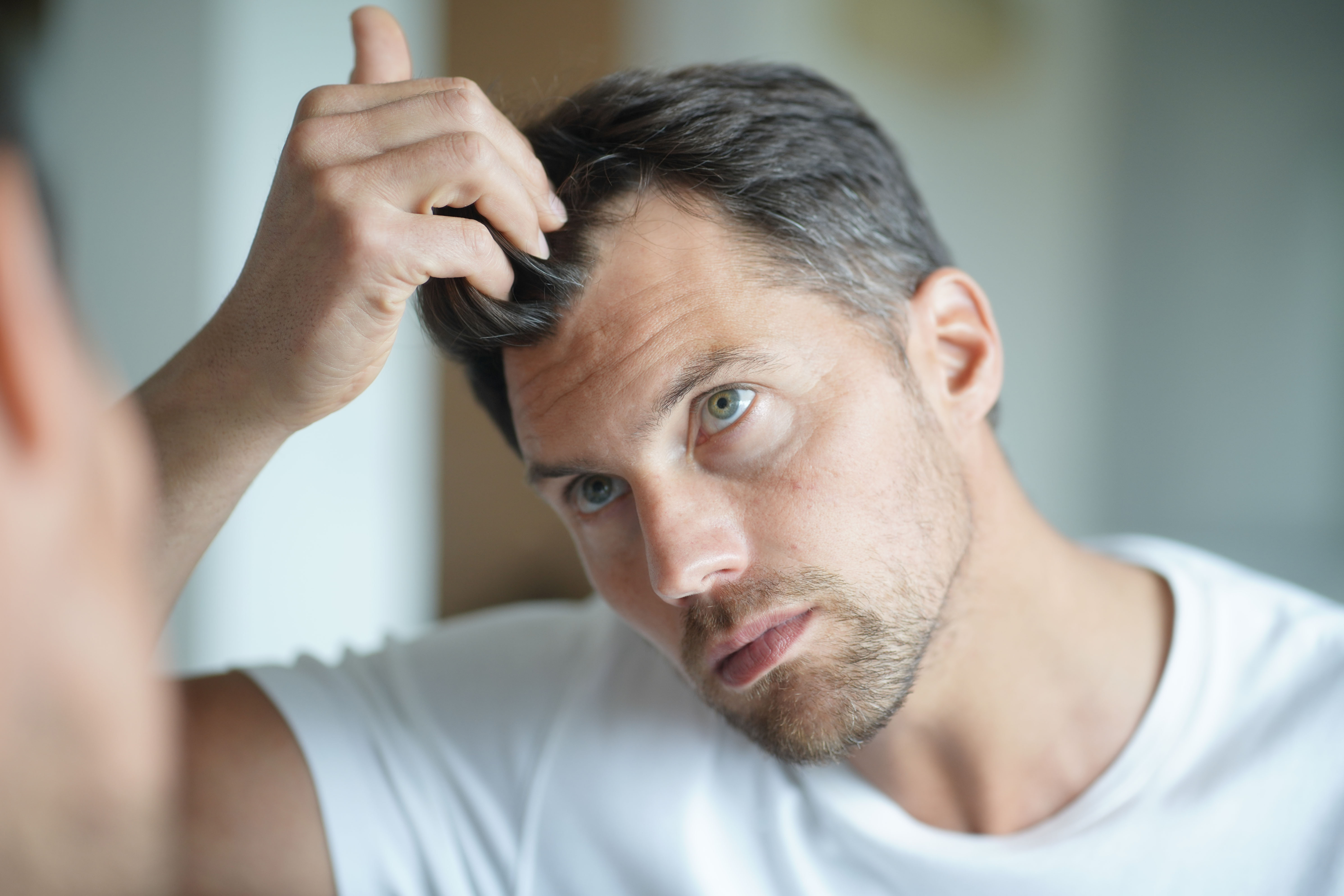
Your hair will gradually become finer in the front, crown, or temple areas of your scalp.
Excessive hair growth on other parts of the body, such as the face, chest, or arms.
Hair loss and baldness are problems that women also suffer from. Hair transplant is one of the possible solution for these problems. However, hair transplantation would not be the first solution for women. Because the cause of hair loss in women would not be androgenetic alopecia which is the main cause of baldness in men, but would have hormonal and dietary imbalances or autoimmune diseases. Baldness caused by hormonal changes, on the other hand, is more common than androgenetic alopecia. For this reason, before planning hair transplant surgery, an analysis must be performed to see the values of the hormones that affect the hair and scalp. If a hormonal cause is not observed and the result of the analysis indicates androgenetic alopecia. The patient is suitable for undergoing hair transplant surgery. At this point the most important factor to pay attention to is the hair transplant method performed on women. The most used and preferred method by women is hair transplant without shaving. In this method there are three options offered to the patient; hair transplant with partial shaving, FUT or FUE without shaving. Each of these methods has drawbacks and advantages. For example in the FUT method the number of extracted grafts is more limited than in FUE. In hair transplantation with partial shaving, the patient has to wait for the shaved hair to grow back to reach the length of the unshaven hair. This period would be unpleasant. Although unshaved hair transplantation is a more preferred method for women, it is a more expensive procedure and would have a risk of infection. In all types of operations, the doctor must minimize the risks and complications.




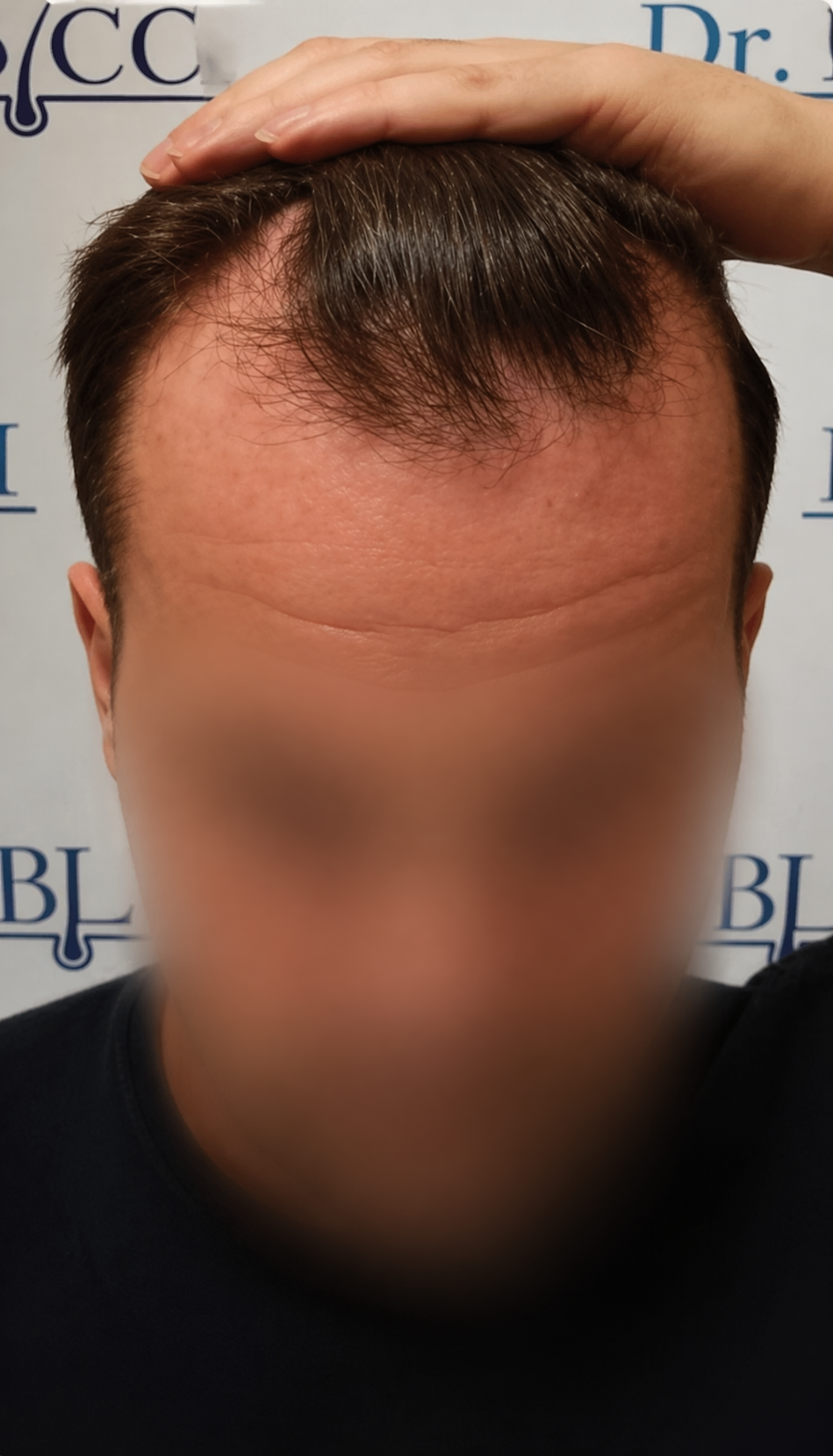
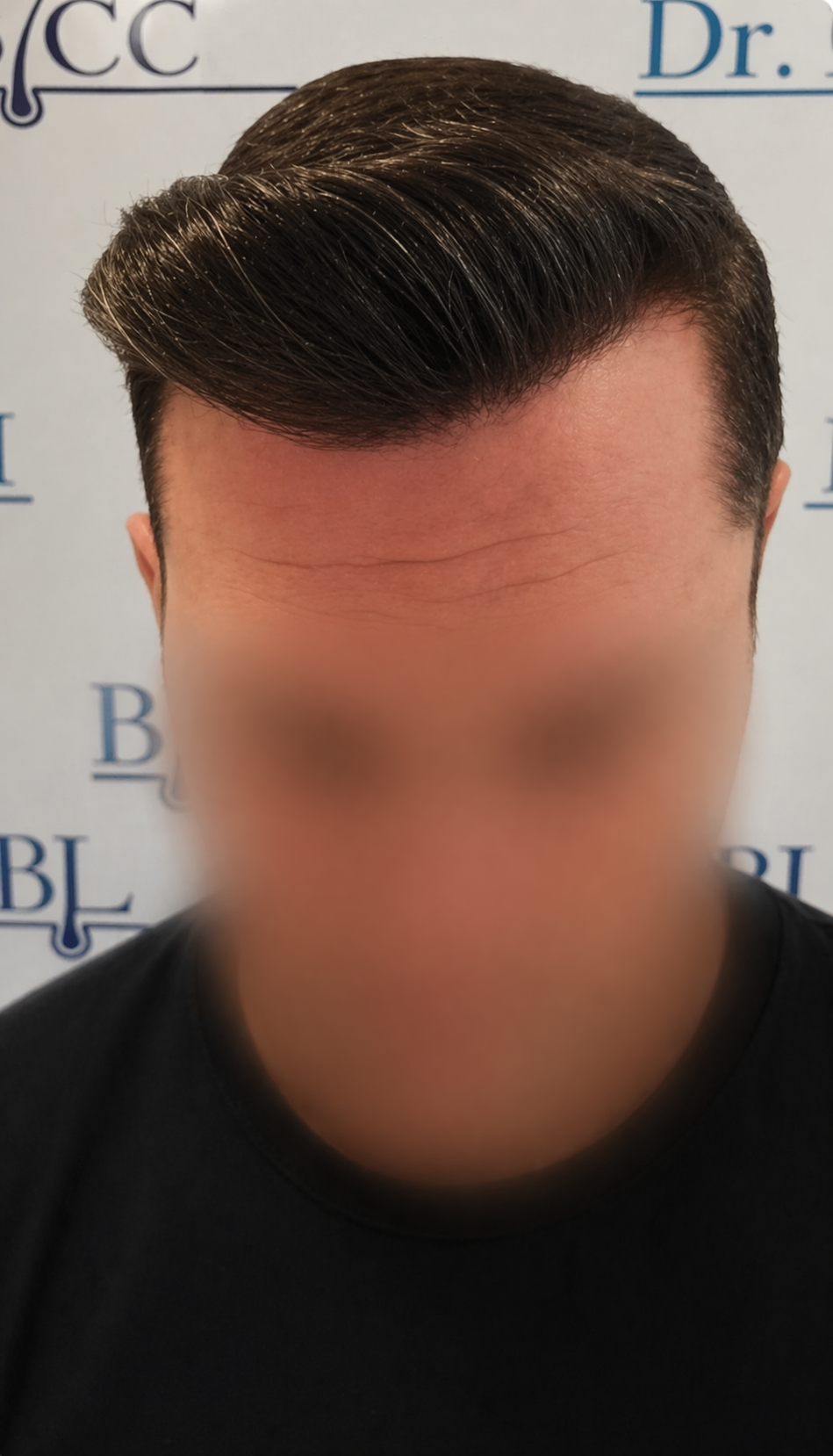
FUE
(Micro Motor)
3.200
12 Months
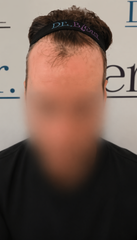
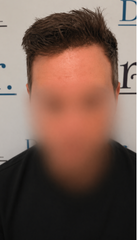
FUE
(Micro Motor)
3.200
12 Months
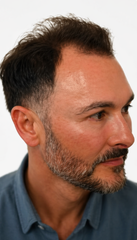
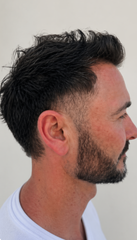
FUE
(Micro Motor)
3.200
12 Months


FUE
(Micro Motor)
3.200
12 Months
FUE
(Micro Motor)
3.200
12 Months

FUE
(Micro Motor)
3.200
12 Months
FUE
(Micro Motor)
3.200
12 Months
FUE
(Micro Motor)
3.200
12 Months

FUE
(Micro Motor)
3.200
12 Months

FUE
(Micro Motor)
3.200
12 Months
FUE
(Micro Motor)
3.200
12 Months
FUE
(Micro Motor)
3.200
12 Months
Contact From
WhatsApp
Contact From
WhatsApp
Fill Application
Form
Reach out to us on WhatsApp and get connected with a dedicated patient consultant who speaks your language. Fill out the form provided by your consultant and schedule your online consultation with Dr. Biçer.
Get Online
Consultation

Get Online
Consultation
Fill Application
Form
Have a one-on-one online consultation with Dr. Biçer to receive a personalized assessment and detailed information about your treatment and process. Together with your consultant, proceed with planning the next steps.
Complete Your
Appointment

Complete Your
Appointment
Fill Application
Form
Finalize your treatment plan and confirm your appointment with the guidance of your consultant. After your procedure, your patient consultant will stay in continuous contact with you for one year, closely monitoring your progress, providing updates, and supporting you throughout your entire recovery journey.
Dr. Özlem Bicer brings over 25 years of experience and is an esteemed member of the International Society of Hair Restoration Surgery (ISHRS). She is supported by a dedicated team of highly trained nurses, making us one of the most reputable and experienced hair transplant teams worldwide.