
Hair loss in men is a very common condition and can have many different causes. Before starting any treatment, it is essential to determine the underlying reason for the hair loss so that the most appropriate and effective solution can be chosen.
For example, if a patient has a hormonal disorder such as hyperthyroidism, this medical condition should be treated first. In other cases, vitamin or mineral deficiencies may contribute to hair loss and can be managed with proper supplementation.
There are several medical and supportive treatments for male hair loss, including:
However, it is important to understand that:
Hair transplantation does not stop or cure hair loss. It is a reconstructive procedure performed only when hair loss has stabilized.






Trusted by Leading Associations Worldwide


























It is completely normal to lose some hair every day as part of the natural hair growth cycle.
A healthy person can lose up to 100 hairs per day, and this hair is normally replaced by new growth.
If you notice persistent and increased shedding or visible thinning, it is recommended to consult a qualified hair restoration specialist for evaluation.
Androgenetic alopecia is a genetically inherited form of hair loss caused by the activity of 5-alpha reductase type I and type II enzymes, which convert testosterone into dihydrotestosterone (DHT). In genetically predisposed individuals, DHT binds to sensitive hair follicles, leading to progressive follicular miniaturization and hair loss over time.
Typical signs include:
This condition can begin shortly after puberty and progresses with age if left untreated.
Alopecia areata is an autoimmune disease in which the body’s immune system attacks the hair follicles. It causes sudden, round patches of hair loss on the scalp or beard.
Scarring alopecia occurs when hair follicles are permanently damaged and replaced by scar tissue. This can result from:
Hair transplantation into scar tissue may be possible, but graft survival can be lower because scar tissue has reduced blood circulation. We have no chance to perform hair transplantation to the patient who have active cicatricial alopecia.
Telogen effluvium is a temporary form of hair loss that happens when stress, illness, or hormonal imbalance causes a large number of hair follicles to enter the resting phase.
This leads to diffuse thinning across the scalp. Once the cause is treated, hair typically regrows naturally.
If you experience sudden or rapid hair loss, or notice bald patches forming, you should seek medical advice. Hair loss can sometimes be associated with underlying medical or autoimmune conditions that require proper diagnosis and treatment.
To receive a precise evaluation of your hair loss stage and treatment options, you can consult Dr. Özlem Biçer and her experienced medical team. A professional diagnosis ensures that the most suitable therapy or reconstructive approach is selected for your individual case.
Measuring Male Pattern Baldness
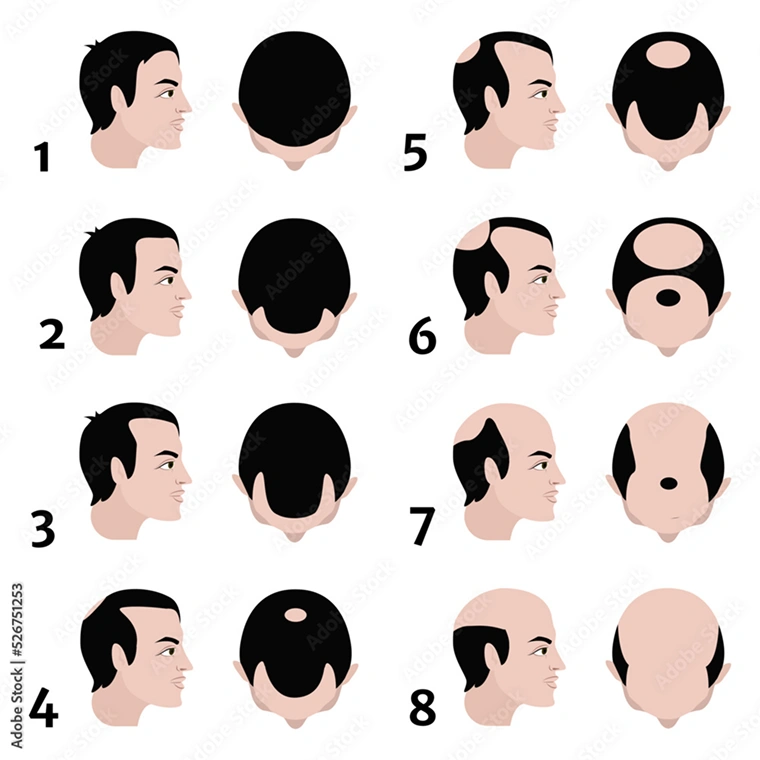
The Norwood Scale is the most widely used tool to evaluate and classify male pattern baldness, also known as androgenetic alopecia. It helps both doctors and patients understand the severity and progression of hair loss in men.
Previously referred to as the Hamilton–Norwood Scale, it is now commonly known simply as the Norwood Scale.
The classification system was originally introduced by Dr. James Hamilton in the 1950s. It was later refined and expanded by Dr. O’Tar Norwood in the 1970s, who adapted the scale specifically for the assessment of male pattern hair loss.
Today, it remains the standard reference for diagnosing the stage of androgenetic alopecia.
The Norwood Scale is used to determine how advanced a patient’s hair loss is. It provides a visual and clinical reference, allowing both the physician and the patient to compare the hairline and crown with standardized stages.
The scale classifies hair loss into seven main stages (Type I to Type VII), ranging from:
A mirror or professional evaluation is recommended to accurately compare your hair to the scale.






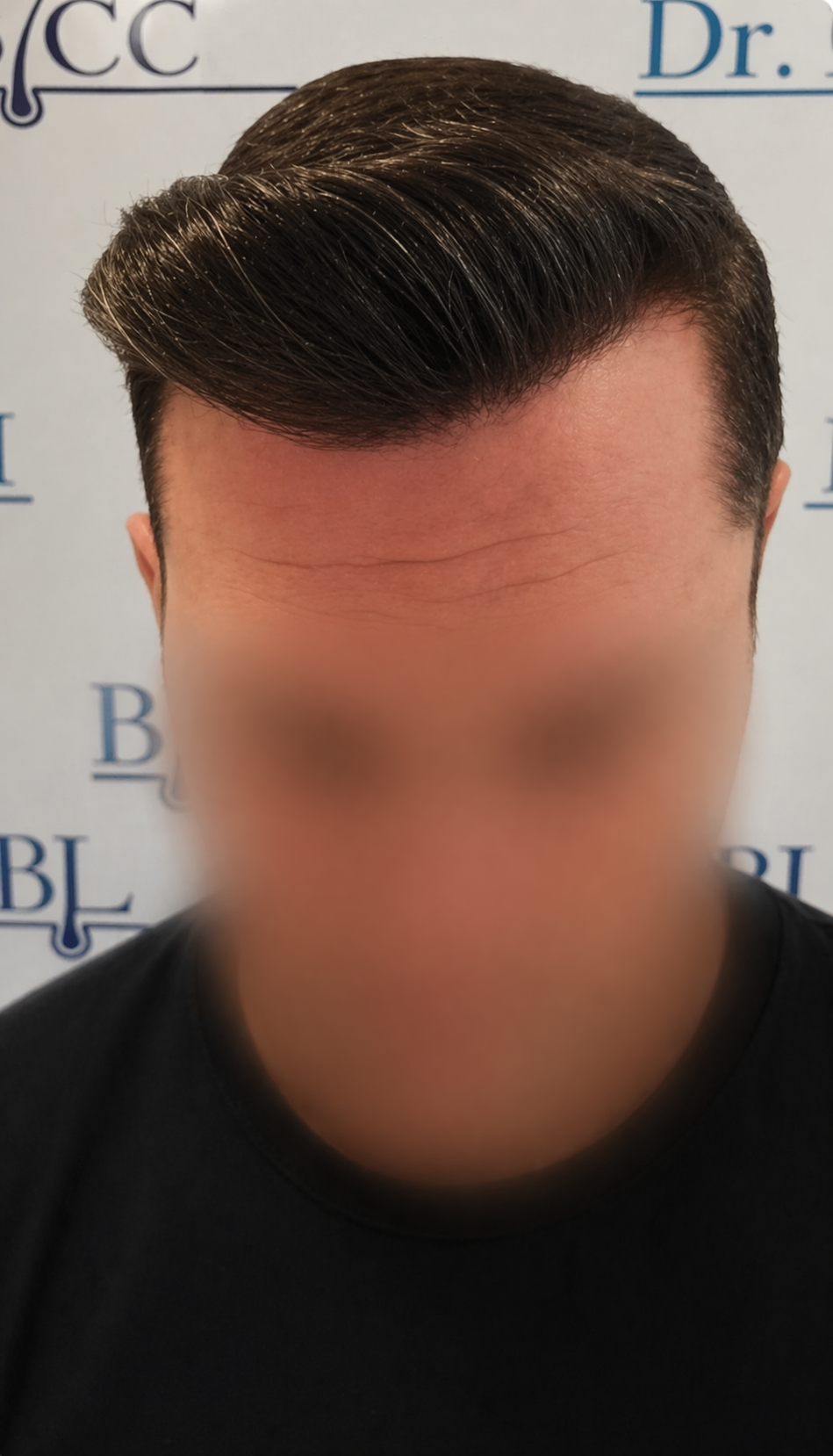
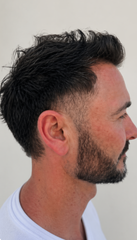
FUE
(Micro Motor)
3.200
12 Months
FUE
(Micro Motor)
3.200
12 Months
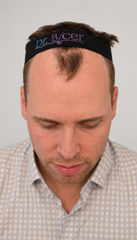
FUE
(Micro Motor)
3.200
12 Months
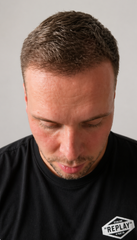
FUE
(Micro Motor)
3.200
12 Months
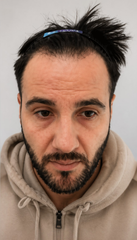
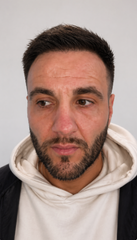
FUE
(Micro Motor)
3.200
12 Months
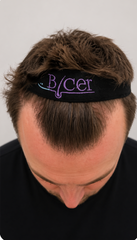
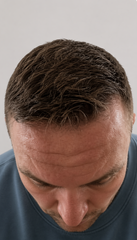
FUE
(Micro Motor)
3.200
12 Months
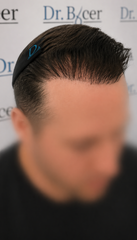
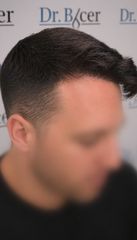
FUE
(Micro Motor)
3.200
12 Months
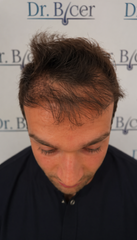
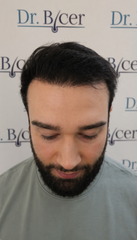
FUE
(Micro Motor)
3.200
12 Months
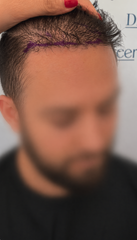
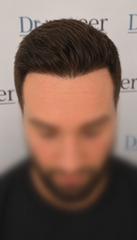
FUE
(Micro Motor)
3.200
12 Months
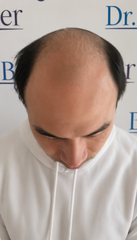
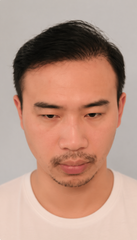
FUE
(Micro Motor)
3.200
12 Months
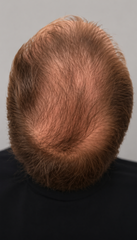
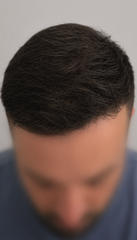
FUE
(Micro Motor)
3.200
12 Months
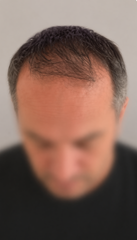
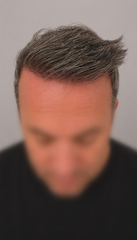
FUE
(Micro Motor)
3.200
12 Months
Contact From
WhatsApp
Contact From
WhatsApp
Fill Application
Form
Reach out to us on WhatsApp and get connected with a dedicated patient consultant who speaks your language. Fill out the form provided by your consultant and schedule your online consultation with Dr. Biçer.
Get Online
Consultation

Get Online
Consultation
Fill Application
Form
Have a one-on-one online consultation with Dr. Biçer to receive a personalized assessment and detailed information about your treatment and process. Together with your consultant, proceed with planning the next steps.
Complete Your
Appointment

Complete Your
Appointment
Fill Application
Form
Finalize your treatment plan and confirm your appointment with the guidance of your consultant. After your procedure, your patient consultant will stay in continuous contact with you for one year, closely monitoring your progress, providing updates, and supporting you throughout your entire recovery journey.
Dr. Özlem Bicer brings over 25 years of experience and is an esteemed member of the International Society of Hair Restoration Surgery (ISHRS). She is supported by a dedicated team of highly trained nurses, making us one of the most reputable and experienced hair transplant teams worldwide.